
The Color Palette and Its Impact
The colors chosen for casino interiors are far from arbitrary; they are strategically selected based on psychological principles. Bright, stimulating colors like reds and yellows dominate spaces because they can evoke excitement and energy, encouraging visitors to engage with their environment. These colors are not just decorative; they are carefully selected to manipulate emotions and influence decision-making processes, particularly in venues where players enjoy an online casino new zealand experience. Softer shades like blues and greens are often used in relaxation areas to mitigate stress and provide a calming effect, creating a balanced atmosphere that encourages guests to linger longer.
Moreover, lighting plays a crucial role in this psychological framework. Natural light or bright artificial lights create an inviting atmosphere that leads players deeper into the gaming area. The contrast between dark corners and well-lit spaces is designed to draw attention to specific games, enhancing the overall experience. This lighting not only serves a functional purpose but also amplifies specific emotional responses, subtly encouraging risk-taking behaviors. For example, a well-lit slot machine can feel more enticing, making players more likely to try their luck.
The craft of color psychology extends to the branding of slot machines and table games. Machines are often adorned with vibrant graphics that resonate with players’ imaginations and desires. By tapping into visual stimuli associated with winning or excitement, casinos create a sense of anticipation. This strategic use of color encourages guests to stay longer and invest more time and money into the experience, aligning perfectly with the casino’s overarching goals of maximizing engagement and revenue.
Spatial Layout: The Path to Perpetual Play
Casino layouts are meticulously designed to maintain an alluring flow that encourages exploration. The open design allows players to navigate through various gaming areas, enticing them to try different games without feeling confined. This sense of free movement is crucial; it engages visitors and promotes a culture of gaming without them realizing how much time has passed. Deliberate placement of high-stakes tables alongside lower-stakes games can lead high rollers to engage with less costly options, thereby increasing their overall spending. This careful orchestration of space creates an environment where players feel comfortable transitioning between gaming experiences.
The strategic positioning of amenities such as bars, restaurants, and restrooms is also noteworthy. These essential services are often placed within sight of gaming areas, ensuring that patrons never feel too far from the action. When players take breaks for drinks or meals, their experience remains connected to the gaming environment, effectively minimizing the likelihood of leaving the premises entirely. This kind of design creates a seamless experience that prioritizes gaming while meeting other needs, reinforcing the idea that the casino is a one-stop destination for entertainment.
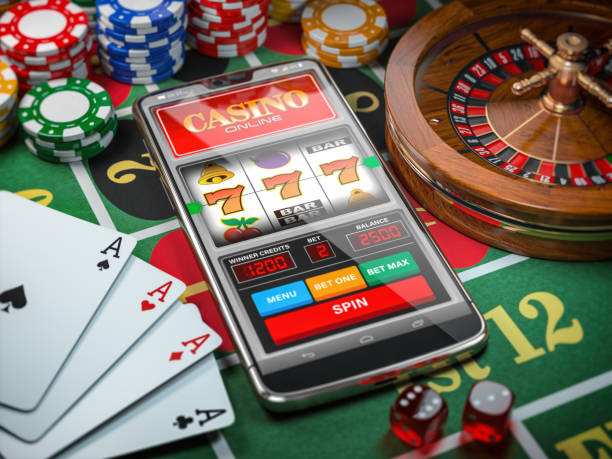
Furthermore, the use of themed areas within a casino can enhance the sense of adventure and exploration. By creating distinct zones—like tropical or vintage settings—casinos amplify the sensory experience. These themed areas not only serve to entertain but also to distract, subtly deterring guests from keeping track of time. The longer they remain engaged with the thematic elements, the more likely they are to continue playing, creating a cycle of indulgence that the architecture cleverly facilitates. This immersive experience is designed to make players feel as though they have entered a different world, further encouraging prolonged engagement.
The Soundscape: A Subtle Manipulation
Sound is one of the most powerful yet underappreciated psychological tools in casinos. The ambient noise created by slot machines and table games is purposefully engineered to evoke feelings of excitement and urgency. Pleasant chimes and bells when a player wins or the rhythmic sounds of spinning wheels are designed to reinforce positive experiences. These auditory cues create an environment of anticipation, encouraging players to press their luck further, even when they might normally consider walking away. The soundscape is crafted to enhance the emotional highs of winning, making losses feel less significant.
On the flipside, the background music is selected to either energize or calm patrons, depending on the intended experience. Upbeat, fast-paced songs can encourage a sense of urgency and excitement around the gaming tables, while softer melodies can create a more relaxed atmosphere in lounge areas. This strategic auditory design enhances the overall emotional experience, making players feel more invested in the environment and their activities. The music selection is not random; it is calculated to influence mood and behavior in a way that keeps guests engaged.
Interestingly, studies show that certain sound frequencies can lead to increased spending. By intelligently manipulating these frequencies, casinos can create an environment that not only captures attention but also incentivizes deeper financial engagement. The marriage of sound and design is a potent combination, shaping guests’ emotions and paving the way for higher stakes and longer gaming sessions. This sophisticated approach to the soundscape ensures that players remain in a heightened state of engagement, unaware of the time and money they are investing in the experience.
Psychological Triggers and Game Design
The gamification of casino experiences is another layer of psychological design that cannot be overlooked. Elements such as rewards, bonuses, and the concept of near wins serve to keep players engaged. When someone narrowly misses a jackpot or receives a small bonus, their brain releases dopamine, reinforcing the idea that winning is within reach. This clever psychological trick incentivizes players to keep trying in hopes of achieving that elusive big win, which often keeps them playing longer than intended. The thrill of near misses can be more motivating than actual wins, creating a compelling reason to continue playing.

The use of technology, such as touch screens and interactive displays, further enhances the engagement factor. By making games more dynamic and visually appealing, casinos can attract younger generations who crave interactive experiences. These cutting-edge designs cater to a digital-savvy audience, ensuring that they feel captivated and immersed in the gaming process, thus encouraging extended playtime. The integration of technology not only modernizes the gaming experience but also keeps players coming back for innovative gameplay.
Additionally, loyalty programs tied to gameplay serve as a psychological anchor for patrons. By rewarding frequent players with exclusive bonuses or discreet perks, casinos create a sense of belonging and appreciation. This strategy fosters a deeper connection between the player and the establishment, making them more likely to return. In essence, through the clever integration of game mechanics and rewards, casinos manipulate psychological incentives to maximize engagement. These loyalty programs create a sense of commitment that enhances the likelihood of repeat visits, as players feel valued and recognized.
Your Gateway to Understanding Casino Design
Understanding the psychological intricacies behind casino design can offer valuable insights into how environments influence behavior. By diving deeper into the factors of color, sound, layout, and game design, one can appreciate the artistry involved in creating these vibrant spaces. Whether you are an enthusiast or a casual visitor, recognizing these elements can enhance your experience and interaction with the casino environment. Being aware of the underlying principles can transform your perspective, allowing for a more informed approach to gaming.
Moreover, exploring the psychology behind casino design allows for a more conscious approach to gaming. Players can benefit from being aware of these tactics and how they might influence their decisions and emotions. This awareness can lead to a more enjoyable and controlled gaming experience, ultimately promoting responsible gaming practices. Understanding these strategies can empower players to recognize when they may be falling into the traps set by the casino environment.
This article serves as your initial guide into the mind-bending world of casino psychology. By understanding these principles, you are empowered not only to enjoy your time at the casino but also to navigate through its intricacies with a keen perspective. Embrace the experience with newfound clarity, and remember that knowledge is a powerful ally in any gaming adventure. By being informed, you can maximize your enjoyment while also maintaining control over your gaming choices.