
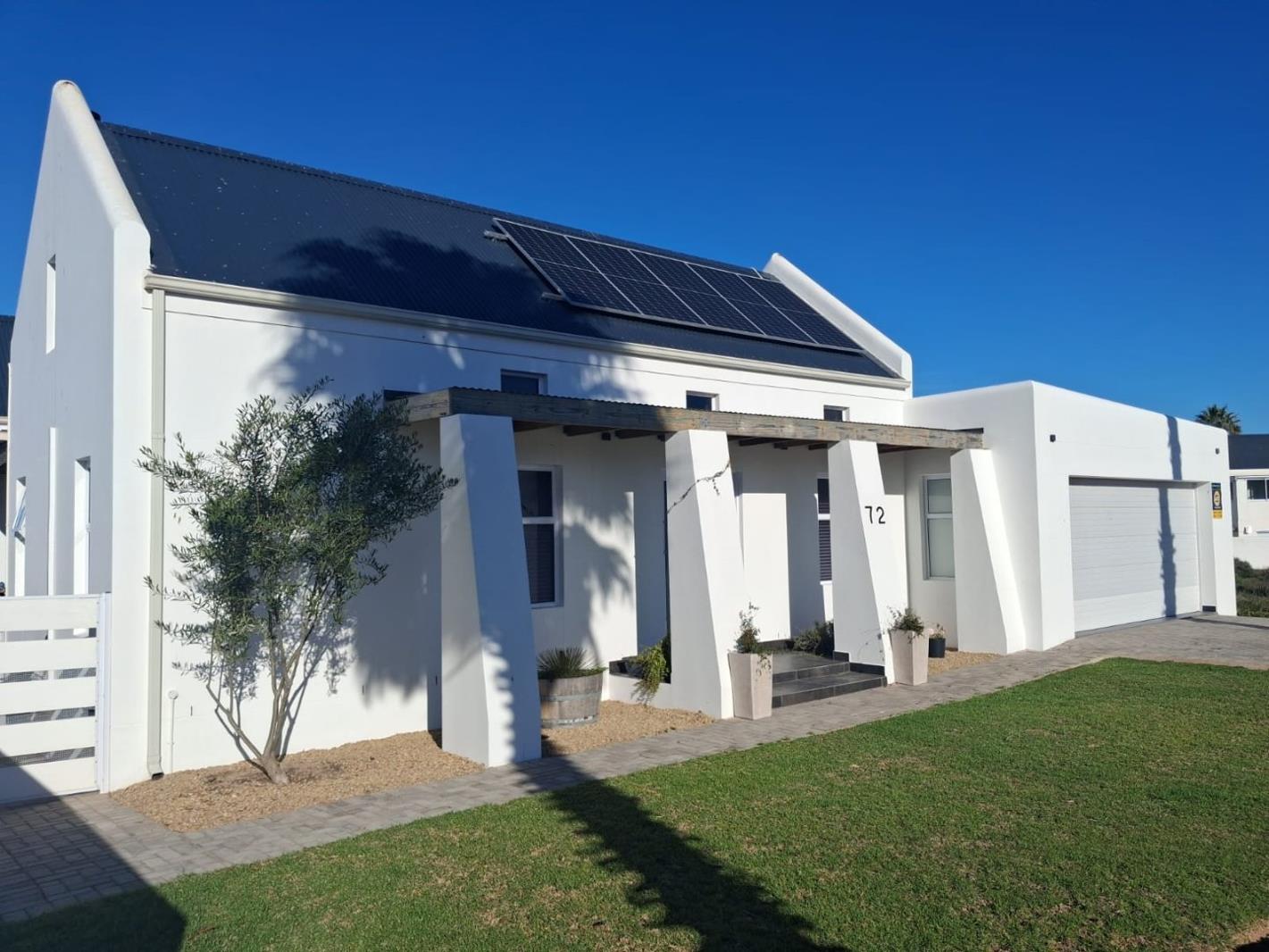
Are you in search of the perfect piece of land to build your dream home or invest in a lucrative property? Look no further! The market for land for sale vanuatulandforsale.com/ is thriving, offering countless opportunities for buyers of all preferences and budgets. In this article, we will delve into the various factors to consider when looking for land, the benefits of purchasing land, as well as tips on how to navigate the buying process effectively.
Types of Land for Sale
When it comes to purchasing land, it’s essential to understand the different types available on the market. Each type serves various purposes, and understanding these can help you make an informed decision.

Residential Land
Residential land is designated for housing developments. This land type can range from single-family lots to larger parcels intended for multi-family units or apartment complexes. One of the primary benefits of residential land is the ability to develop a property according to your preferences, whether you’re looking for a quiet suburban retreat or a vibrant urban home.
Agricultural Land
Agricultural land is ideal for those looking to farm or raise livestock. This type of land is often located in rural areas and can include fields, pastures, and forests. Investors interested in agricultural land should consider the soil quality, water availability, and zoning regulations.
Commercial Land
Commercial land is intended for business use. This type may include retail spaces, office buildings, and warehouses. When investing in commercial land, understanding the local economy and market trends is crucial, as these factors directly affect the property’s potential revenue.
Recreational Land
Recreational land is often used for outdoor activities like hunting, fishing, or hiking. Many buyers look for parcels in scenic locations for personal enjoyment or as investment opportunities. Understanding zoning laws and access to resources like water and utilities is particularly important when considering recreational land.
Benefits of Buying Land
Investing in land can provide numerous benefits, which may vary based on the buyer’s goals and needs. Here are some of the most prominent advantages:
Investment Potential
Land is often viewed as a solid investment. Historically, land values appreciate over time, offering significant long-term returns. As urban areas expand, demand for land increases, making it an attractive proposition for investors.
Control and Customization
Buying land gives you control over your property. Whether you plan to build a single-family home, a rental unit, or a commercial business, you have the ability to design and shape your project according to your vision.
Tax Benefits
In many regions, owning land can provide tax benefits. For example, property taxes may be lower on vacant land compared to developed land. Additionally, if you decide to develop the land, you may be eligible for deductions related to construction and development expenses.
Potential for Passive Income
If you purchase land in a desirable area or near growing communities, you can rent or lease it for agricultural or recreational purposes, creating a steady stream of passive income.
Key Considerations When Buying Land
While purchasing land can be rewarding, it’s essential to navigate the process carefully. Here are key considerations to bear in mind:
Location
Location is critical when purchasing land. Research the surrounding area’s growth potential, accessibility to amenities, and future development plans. A prime location can significantly affect your land’s value.
Zoning Laws
Understanding zoning laws is necessary to determine what can and cannot be built on the land. Zoning regulations dictate how the land can be used, whether for residential, commercial, or industrial purposes. Make sure to check these laws to ensure your plans align with the regulations.
Utilities and Infrastructure
Before purchasing, investigate the availability of utilities such as water, electricity, gas, and internet services. The presence of these services can influence the ease of building and the overall desirability of the land.
Environmental Considerations
Be aware of any environmental restrictions or hazards associated with the land. Look for potential issues such as flooding risks, soil contamination, or protected wildlife areas that could impact your plans.
Financing Options
Research financing options thoroughly. Land loans can differ significantly from traditional mortgage loans. Understand your financing options, including seller financing, bank loans, and USDA loans, to ensure you can secure the funds necessary for your purchase.
Conclusion
Buying land can be a fulfilling endeavor, whether you’re looking to build a dream home, invest in property, or pursue agricultural opportunities. By understanding the different types of land, their associated benefits, and the key considerations in the purchasing process, you can navigate the market confidently. As you embark on this journey, remember that thorough research and expert guidance can help you make informed choices that align with your goals. Start exploring the land for sale opportunities today and make your dreams a reality!